
Every time one of our pilots sets a seaplane down on the Bay instead of a runway, there’s a level of skill behind it that goes well beyond a standard pilot’s license. It starts with a specific FAA certification, an SES rating, but the rating itself is really just the entry point. Here’s what it takes to earn one, and why our pilots have built a lot more skill on top of it than the minimum requires.
What Does SES Actually Stand For?
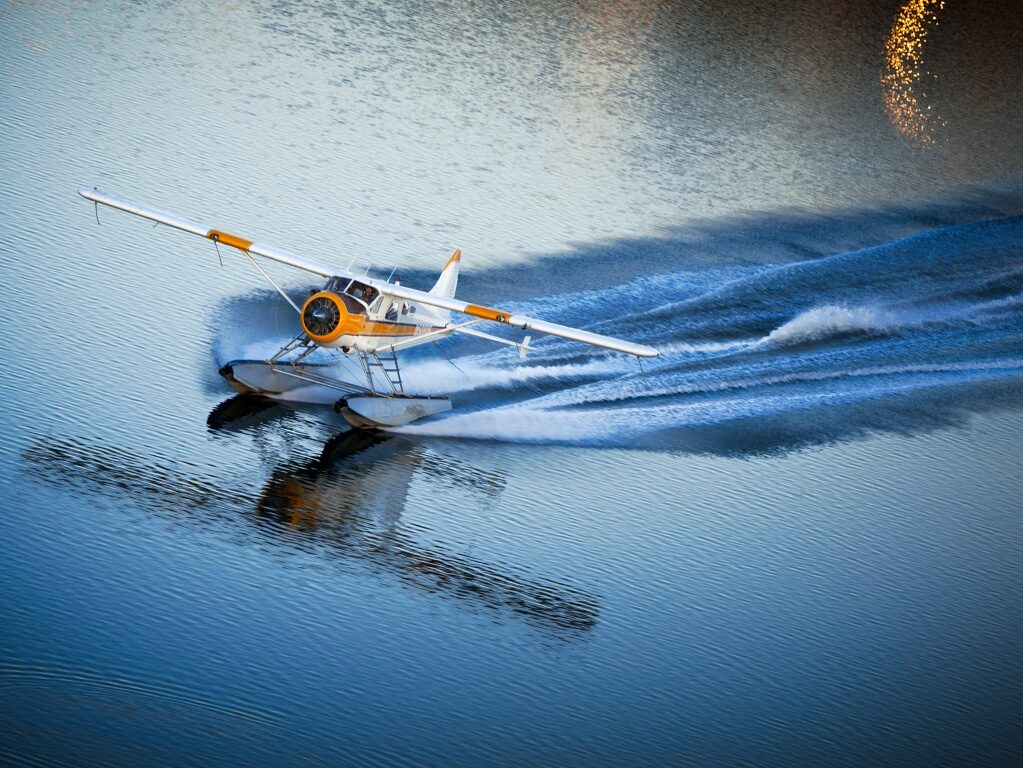
SES stands for Single-Engine Sea, a class rating the FAA adds to a pilot’s existing certificate, authorizing them to act as pilot in command of a single-engine seaplane. It’s an add-on to a certificate a pilot already holds, and it exists because flying on water genuinely is a different skill than flying off a runway.
The Training Behind the Rating
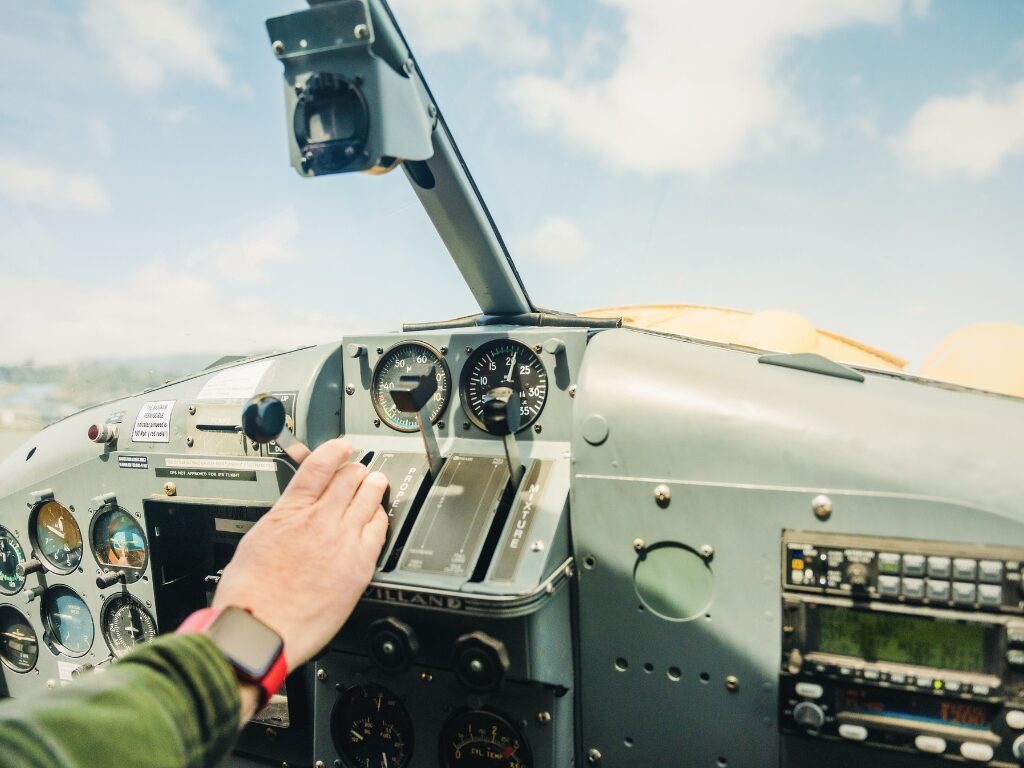
Earning an SES rating means training specifically in a seaplane on skills a land pilot never has to think about: water taxiing, sailing the aircraft using wind and current, docking and mooring, confined-area takeoffs and landings, and handling glassy-water and rough-water conditions. There’s no FAA-mandated minimum number of hours; it’s a proficiency-based rating, confirmed with a practical test with an examiner. That’s the baseline every seaplane pilot has to clear.
Real Skill, in Real Conditions
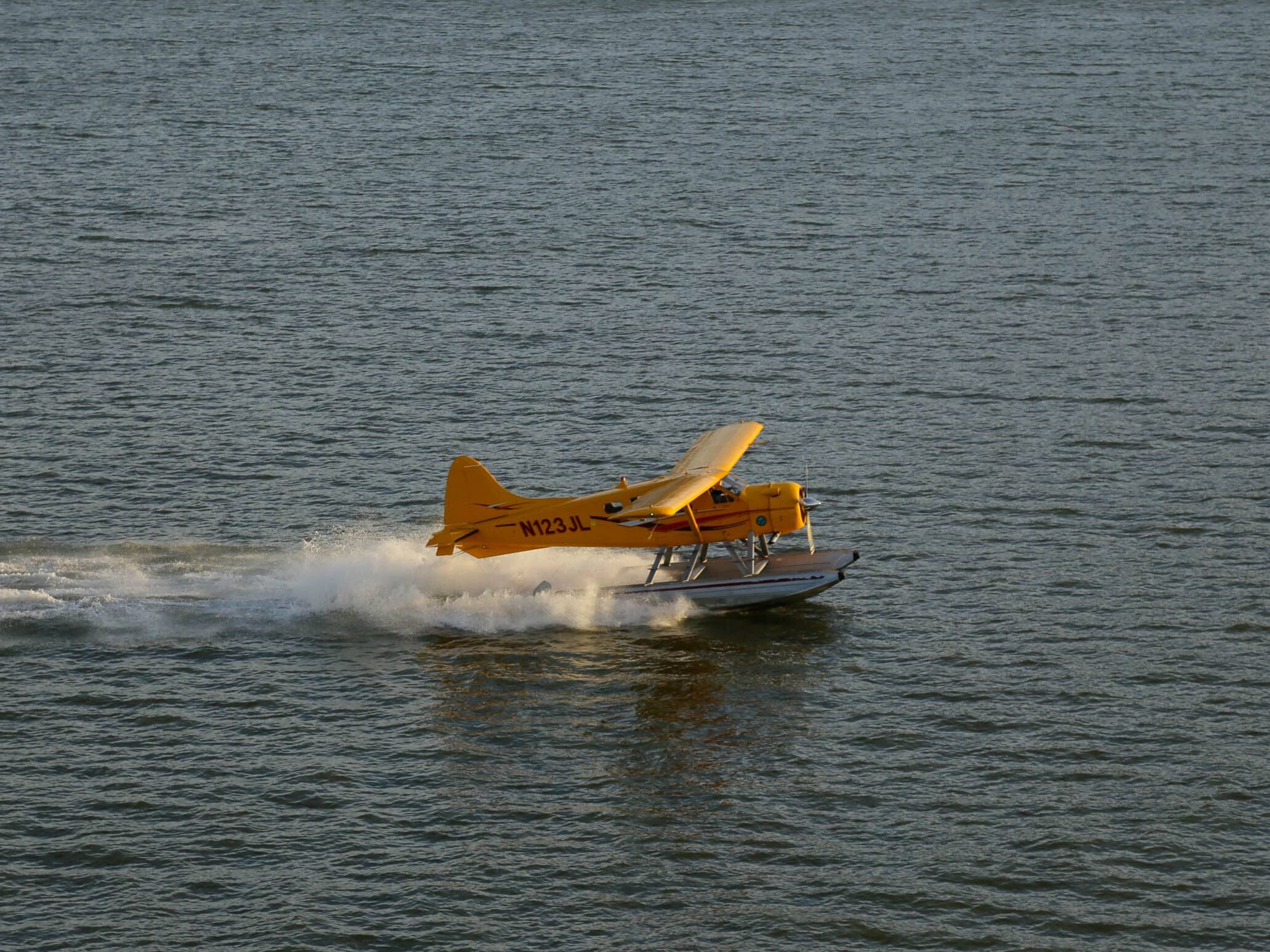
Here’s what a rating alone doesn’t teach you: what to do on your hundredth landing in shifting fog near the Golden Gate, or your thousandth read of a glassy morning on Richardson Bay where the water looks like glass and depth perception all but disappears. That comes from experience, and it’s exactly what our pilots bring to every flight. Our team has logged thousands of hours over this exact stretch of the Bay, through every kind of wind, current, and visibility condition this region produces, and that repetition is what turns a certified skill into genuine instinct.
It shows in the parts passengers never notice: the pilot who reads a subtle wind shift before it becomes a problem, who knows exactly which stretch of water will be calmest on a given morning, who can talk you through takeoff so smoothly you forget to be nervous. That’s not something a checkride measures. It’s something built one flight at a time, and it’s a big part of why we’ve flown accident-free for more than 70 years.
More Than Meets the Rating
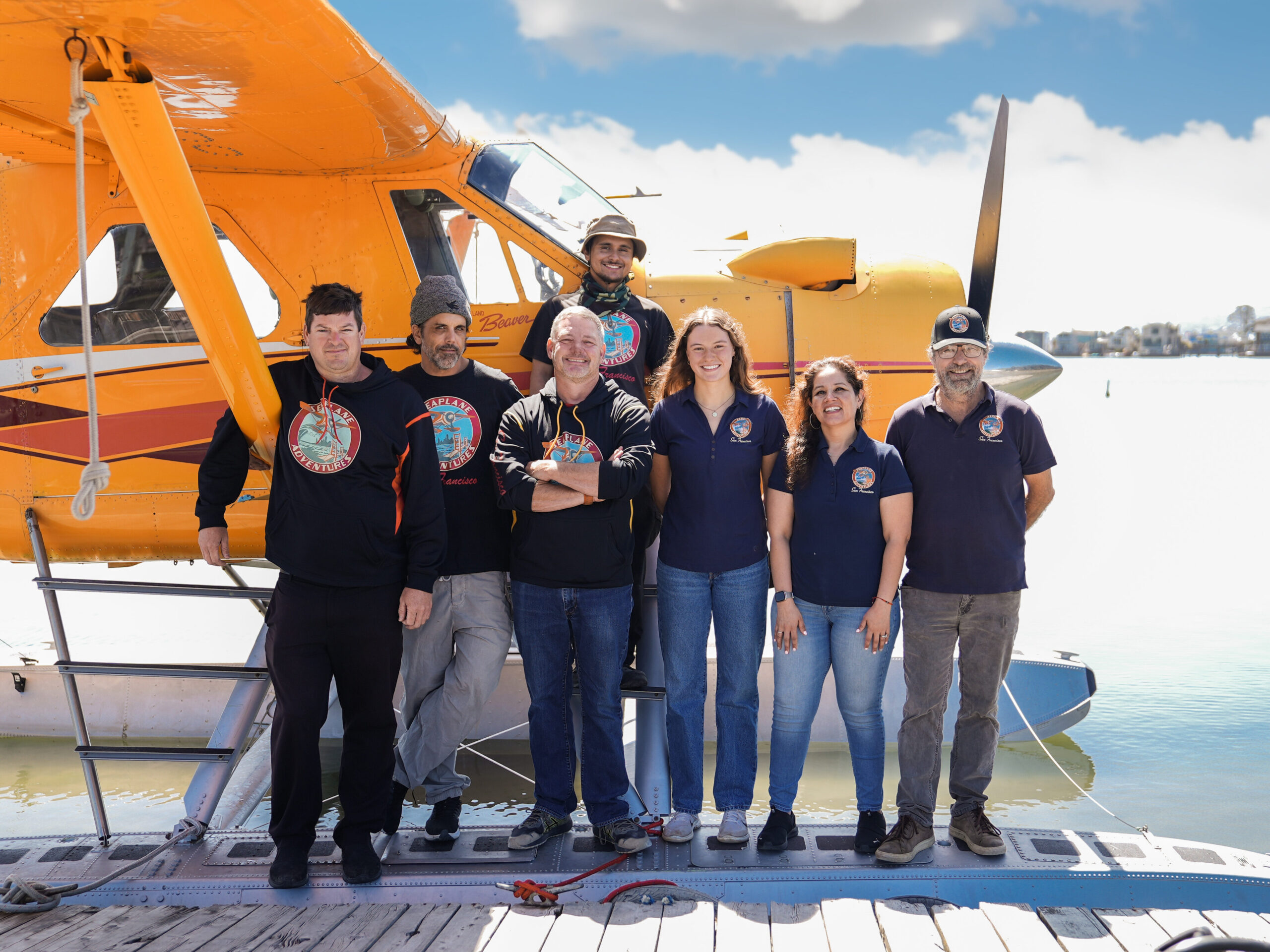
Our pilots’ expertise doesn’t stop at flying the aircraft well; it extends to shaping how the entire industry thinks about safety. Seaplane Adventures has taken part in an FAA Aviation Rulemaking Committee focused on the U.S. air tour industry, and holds a board seat with Vertical Aviation International, the leading trade association for helicopter and vertical-lift aviation. When you fly with us, you’re flying with people who don’t just meet the standard for skilled seaplane flying; they’re actively helping define it.
Ready to Fly With Pilots Who’ve Mastered This?
Now you know what it actually takes, both the rating and the years behind it, to make a water landing look effortless. Every seaplane tour departs from the Mill Valley Seabase, just 10 minutes from the Golden Gate Bridge.
Book your aero adventure here or call 415-332-4843.